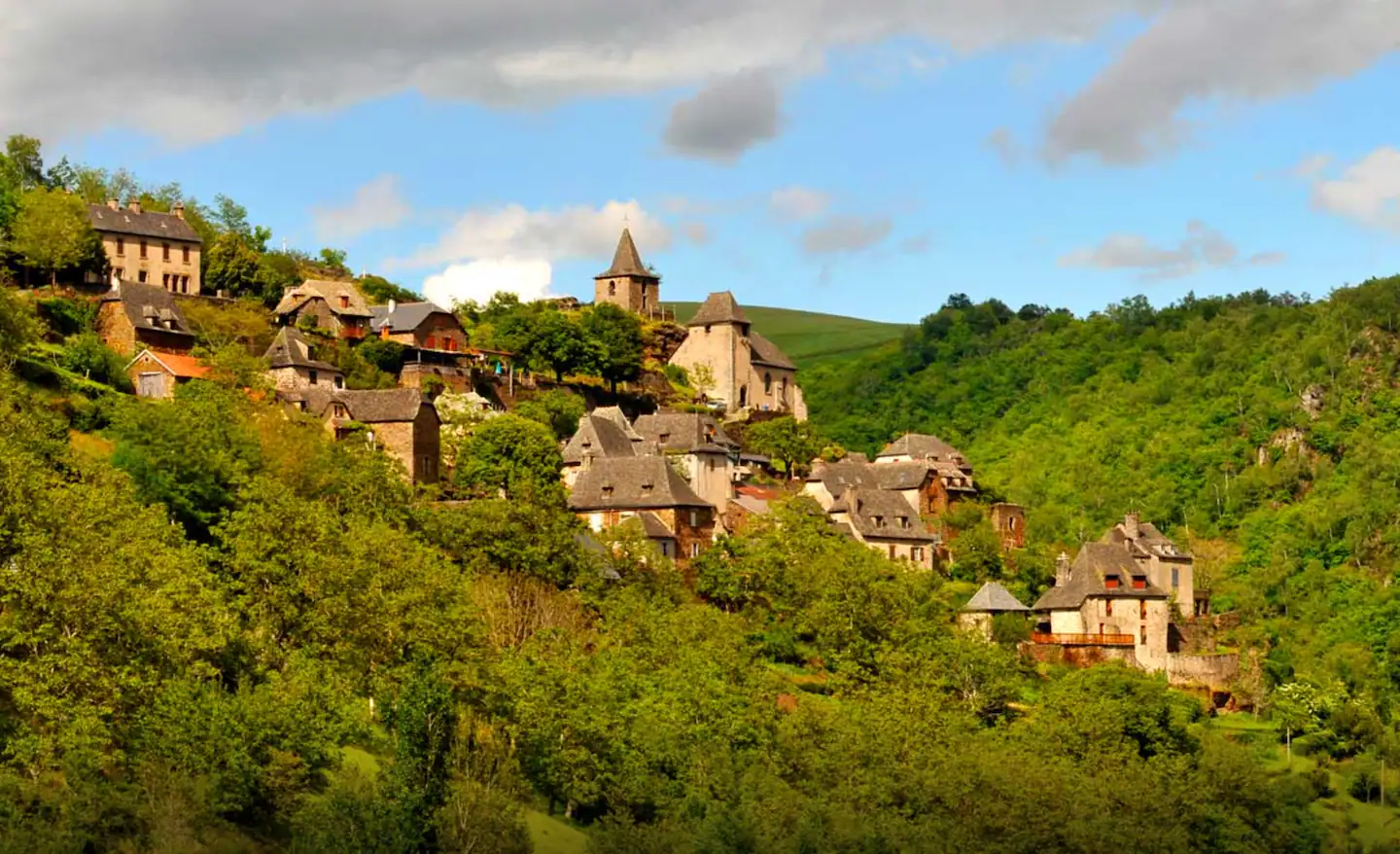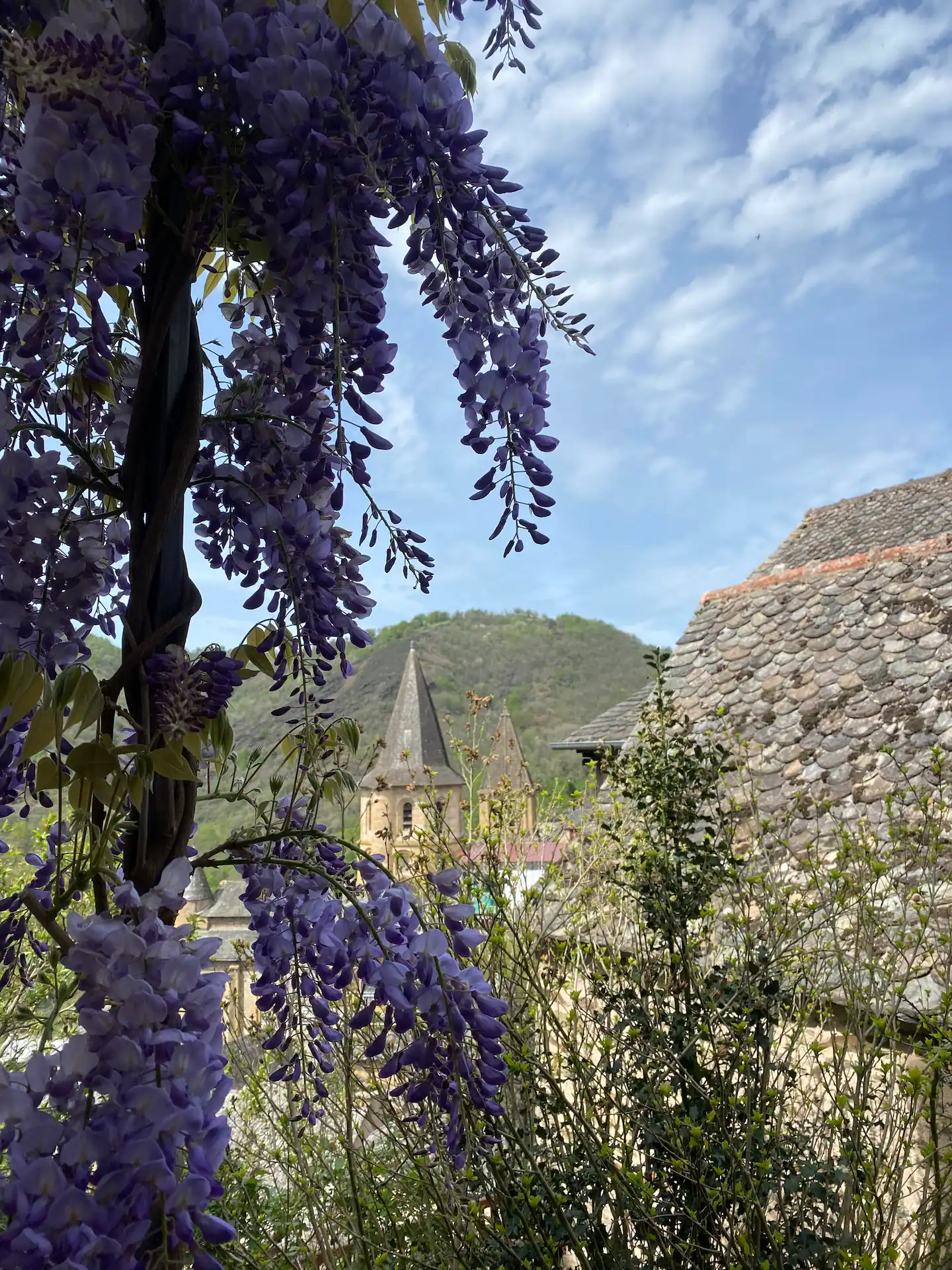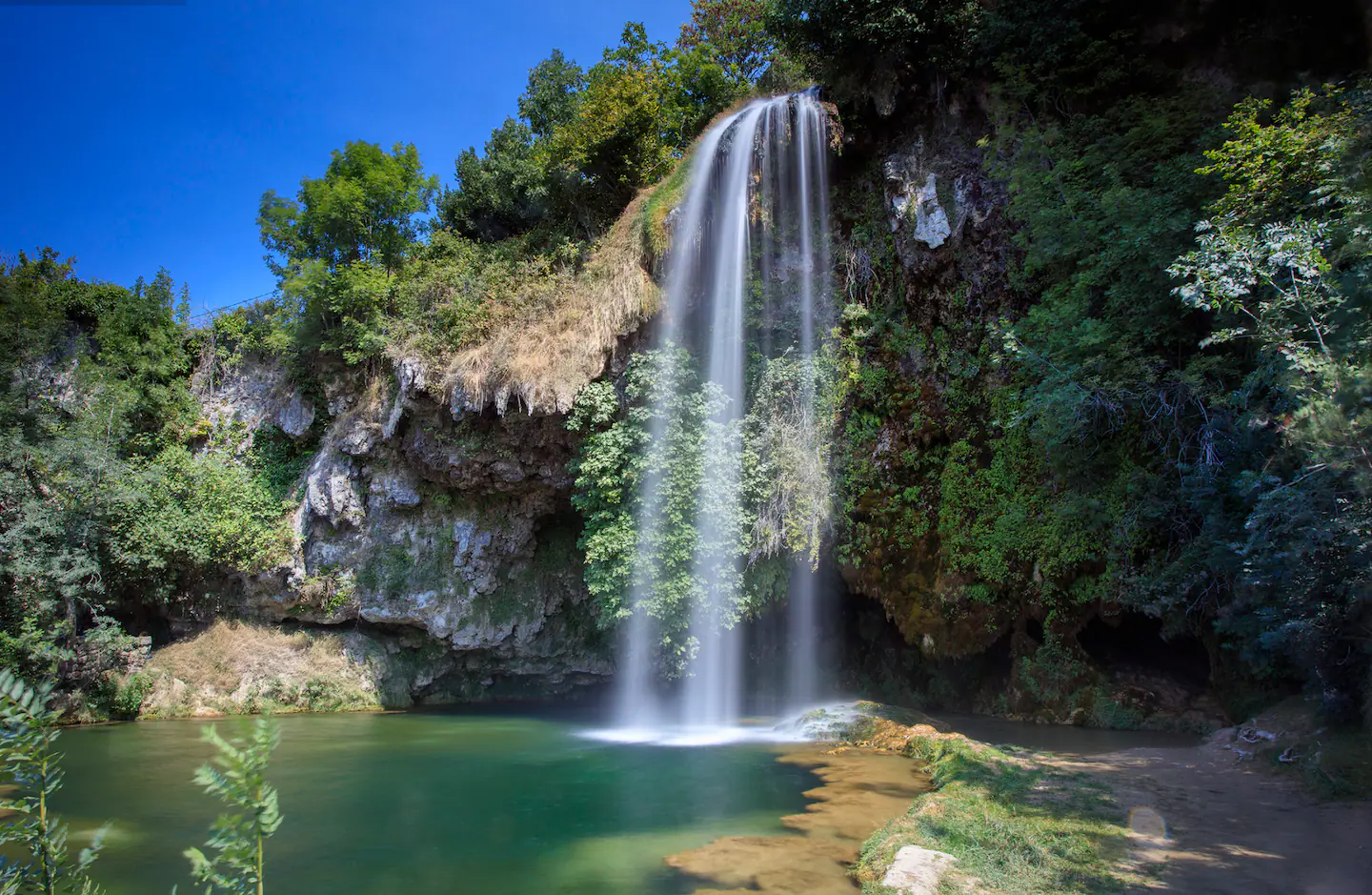
Between Conques and Grand-Vabre, the Dourdou cuts its way through gorges of grey schist. Nothing like the limestone causses: the slopes are steep, cloaked in chestnut and oak, and broken by rocky ridges and patches of heather. This very schist gave Conques the stone slates on its roofs. The landscape, both wooded and rocky, is home to discreet wildlife, best encountered at daybreak and at dusk. Here are the animals actually recorded in the valley, according to naturalist surveys and recent sightings, along with a few simple habits for watching them without disturbing them.
The otter and the river birds
The Eurasian otter is well established in the area. Protected in France since 1981, it has spread back across Aveyron from the Massif Central. On the Lot, between Grand-Vabre and Capdenac, a study by the French Biodiversity Agency even recorded one of the highest otter densities reported in Europe. It is mainly nocturnal, so you are more likely to find its spraints, left in plain view on rocks. The river is also home to the white-throated dipper, a small brown bird with a white bib that literally walks underwater to feed. It has been seen on the Dourdou, right below Conques. Keep an eye out for the kingfisher, the grey wagtail and the grey heron too.
Raptors above the slopes
Look up around midday, when warm air rises from the slopes. The common buzzard is the most frequent, along with the kestrel, both present all year round. In the warmer months the migrants arrive: black kite, honey buzzard and, more rarely, the short-toed eagle, a great snake hunter. The red kite, easy to recognise by its deeply forked rufous tail, also shows up. Surveys of the Lot and Dourdou valleys also record the peregrine falcon and the eagle owl, which nest on rocky outcrops. In the woods, watch for woodpeckers, redstarts and the treecreeper, which spirals its way up tree trunks.
Roe deer, wild boar and night life
Early in the morning or late in the day, roe deer step out at the edge of woods and meadows. Standing still, they blend into the scenery, and it is often their hoarse bark that gives them away. Wild boar rarely show themselves but leave clear signs: turned-over soil and mud rubbed on tree trunks. Night belongs to the fox, the badger and the hedgehog. Bats hunt over the river as well: the survey of the Dourdou valley lists the lesser horseshoe bat, and every bat species is protected in France. On dry, sunny slopes, the ocellated lizard, France's largest lizard, has also been recorded.
Watching without disturbing: good habits
Most of these species are protected, and French law forbids disturbing them intentionally, especially during the breeding season in spring and summer. Stay on the paths and keep your distance: a good pair of binoculars beats three steps closer. Keep your dog on a lead, never approach a nest or a burrow, and at night use a red light rather than a white beam. By the water, sit down and wait: still and silent, you will always see more. And if you find tracks or spraints, photograph them rather than touching them.
Discover Aveyron from an exceptional eco-lodge. Lalalandes is a 7-minute drive from Conques.
Book your stay